
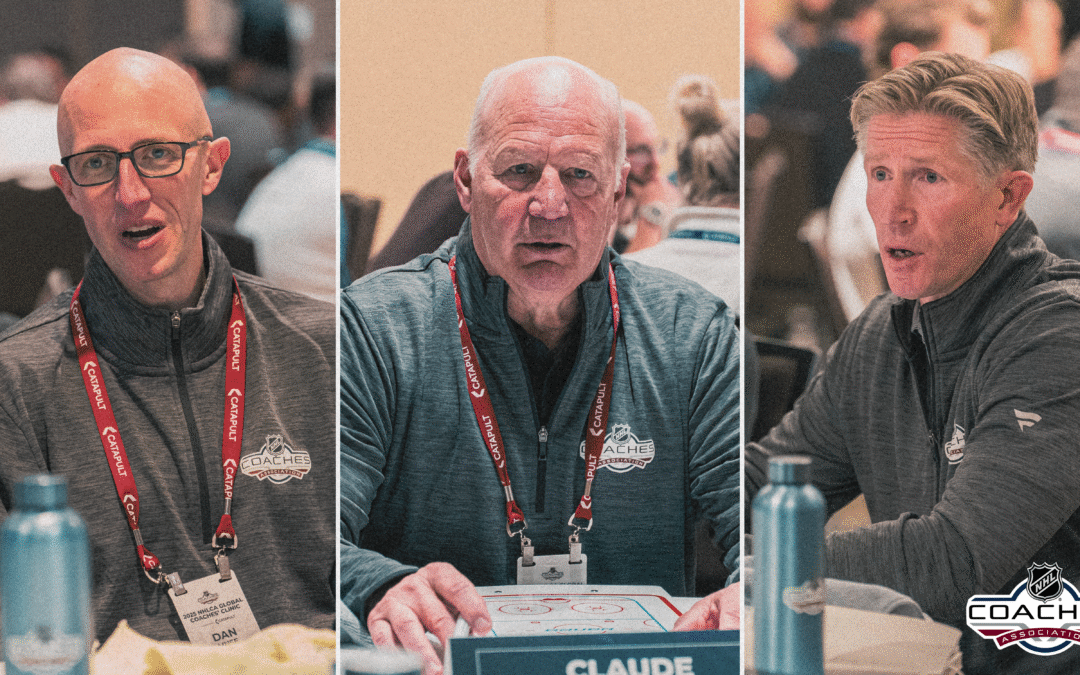
At the annual NHLCA Global Coaches’ Clinic, careers are shaped and connections forged, as NHL coaches – from first-timers to Stanley Cup winners – share their experiences, open doors for others, and pay it forward in a uniquely collaborative environment.
By Scott Burnside
On a Wednesday afternoon in early June, Dan Muse sat down in front of reporters in Pittsburgh to give his first press conference as a National Hockey League Head Coach.
Two days later, the new Head Coach of the Pittsburgh Penguins headed to Toronto, and early on a Saturday morning, Muse was surrounded by a dozen or so eager coaches representing all kinds of backgrounds and levels of coaching experiences, fielding questions about all manner of life as a pro hockey coach.
Thirty minutes later Muse picked up and moved a few feet to another table for another round of questions and conversation about coaching. And so his day went.
Would anyone have questioned Muse had he begged off attending the annual NHL Coaches’ Association Global Coaches’ Clinic given that he had just fulfilled a longstanding dream to become an NHL head coach and likely had other things he could have done with his time? Of course not.
But until asked about the decision to attend the annual Clinic, Muse said it had never occurred to him not to be here in Toronto.
First, he’d made a commitment to be part of the presenting group of 40 NHL coaches during the day-long roundtable event.
But more than that, Muse also recalled the many years he’d attended the annual gathering of coaches as a participant when he was an Assistant Coach at Yale University or when he was the Head Coach of the USHL’s Chicago Steel more than a decade ago. He recalled how he’d looked forward to those events and what it was like for him to pick the brains of more experienced coaches and to hear about their experiences and to meet other coaches like himself who hopped on the crazy coaching train.
So, as far as Dan Muse was concerned, it was a no-brainer that he’d be in Toronto, newly anointed NHL Head Coach or not.
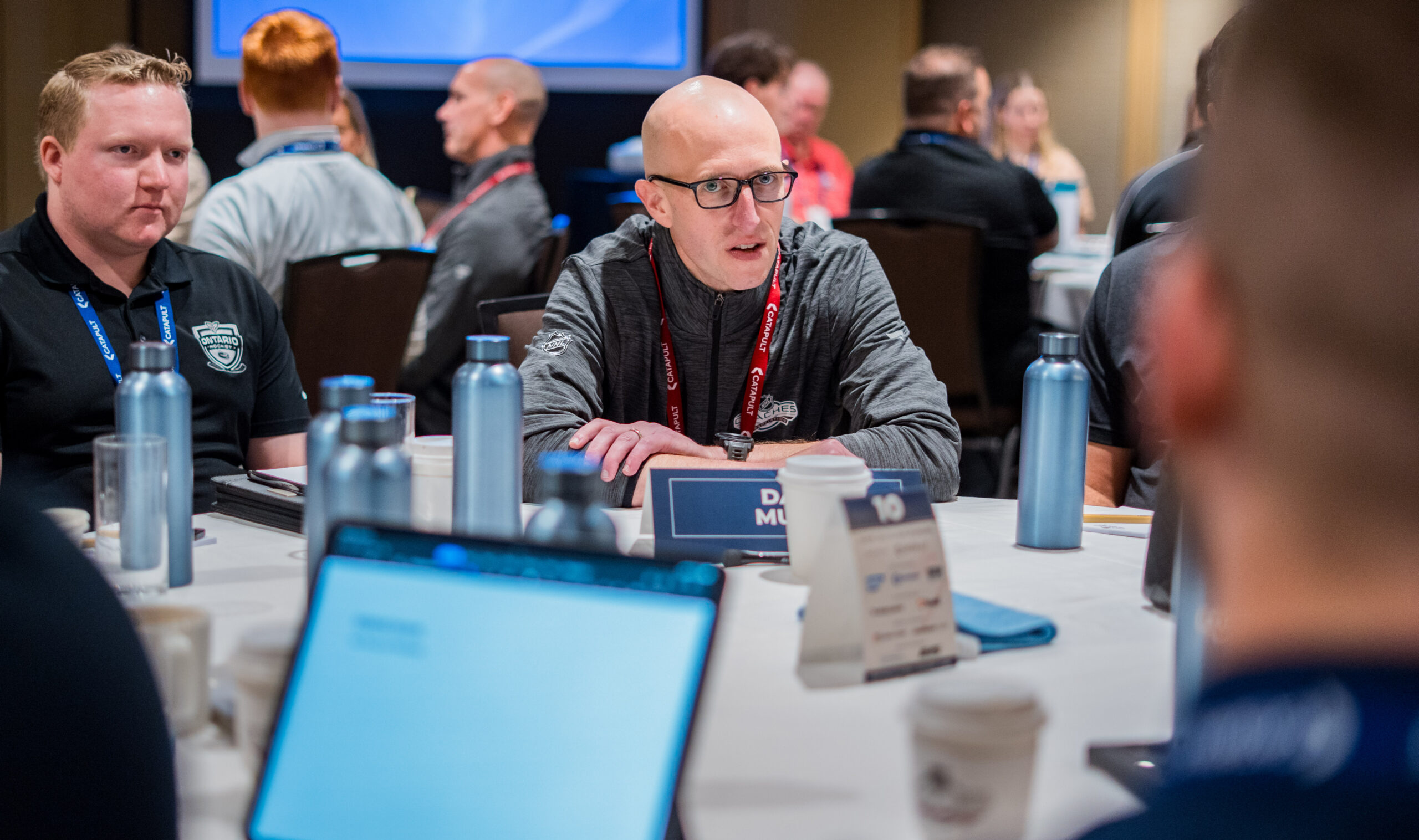
Photo: Dan Muse at the 2025 NHLCA Global Coaches’ Clinic
“You always learn something, whether you’re on the presenting side of it, the one leading a round table discussion, or as I did for many, many years, coming in there as an assistant coach or a head coach at other levels where you’re coming to listen and to learn,” Muse said during a conversation a few days after the 2025 NHLCA Clinic ended.
Muse joined Peter Laviolette’s coaching staff in Nashville in 2017-18 and since that time has been asked to present at NHLCA events.
“It’s a great place where coaches from a lot of different levels, many different backgrounds, can come together,” Muse added. “They can share ideas and they can learn from one another, and I think you always want to be doing that, no matter how long you’re coaching in this game. There are always areas that you could improve.”
The new bench boss in Pittsburgh praised NHLCA Executive Director Lindsay Pennal and her staff for the evolution of not just the annual Clinic, but the programs that have grown up around the NHLCA in recent years.
“They’ve done such a great job in terms of how they’ve built it up. If I go back to when I first started coming, how much it’s grown over time. It’s not just a clinic now, it’s what they’re doing throughout the year, it’s the different programs that they’ve organized and I think that they’ve just been great ambassadors who are aiming to continue to grow the coaching profession at so many different levels. It’s been amazing to see and seeing it through a couple different lenses,” Muse said.
In some ways, Muse and more than three dozen other current or former NHL and American Hockey League coaches (plus the nine who did virtual presentations as part of the online Clinic) are the ‘stars’ of the show at the annual NHLCA Global Coaches’ Clinic. But the fact of the matter is the interaction with the more than 350 coaches in attendance is as much a conversation as it is a lecture.
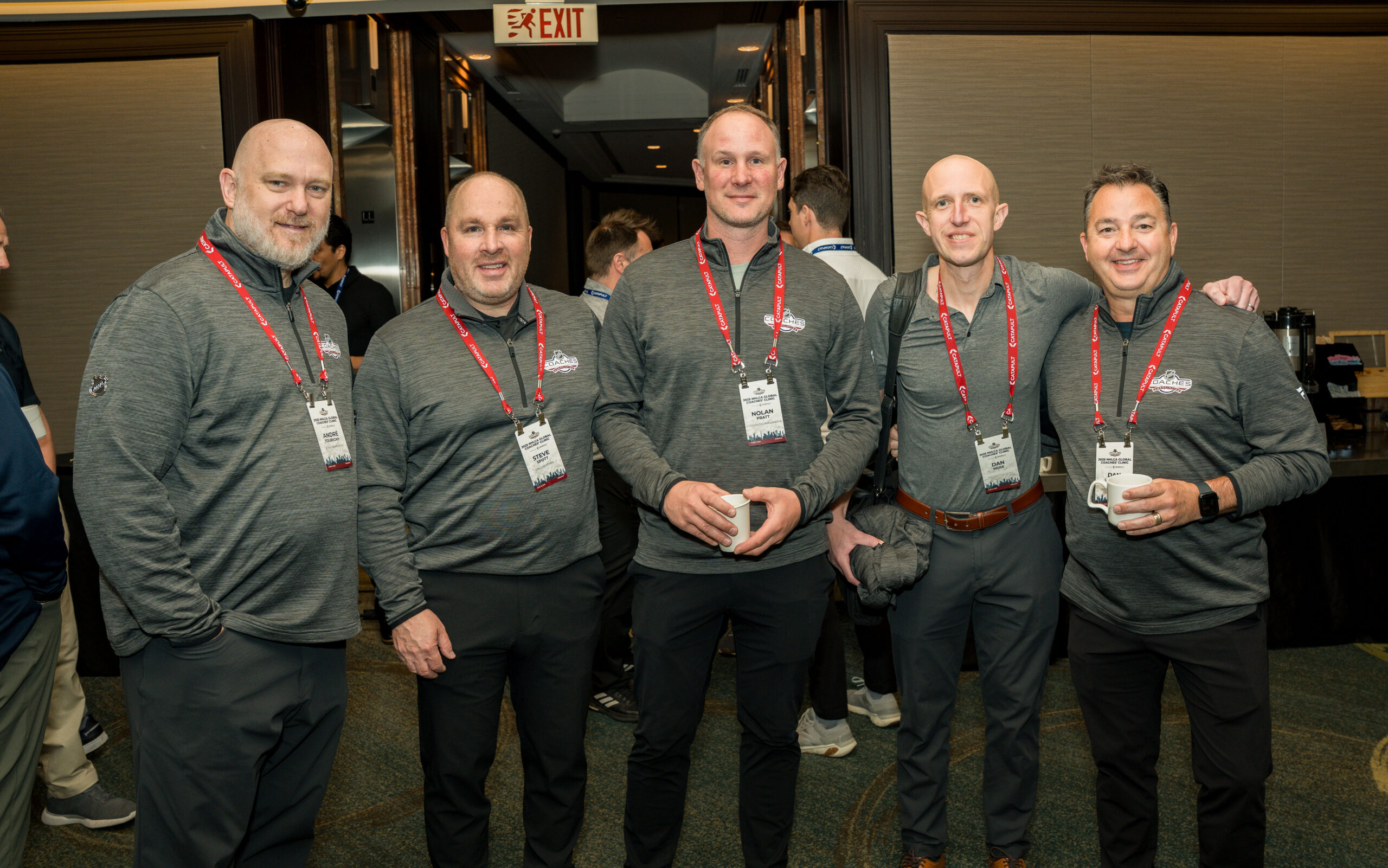
Photo: Andre Tourigny, Steve Spott, Nolan Pratt, Dan Muse, and Dan Lambert at the 2025 NHLCA Global Coaches’ Clinic
In fact, the yin and yang of the relationships between the pros who are presenting and the other attendees has become one of the hallmarks of the NHLCA and their annual gathering.
Long-time NHLCA Clinic attendee and presenter Dave Hakstol described connecting with a couple of coaches at the AAA youth level in the Calgary area before the roundtable discussions began.
“It starts by them asking some questions, but it really turns into a good discussion on different philosophies,” Hakstol explained. “So, I may be sitting in a little bit different chair today, but the discussion still feels the same for me.”
Hakstol, who has been attending the clinics for a decade or more, sees the event as a way of doing some self-assessment as well as helping younger coaches.
“As a coach, you always hope that your players have the ability to self-evaluate a little bit, and are coachable,” Hakstol explained. “I think it’s the same thing for coaching. We have to self-evaluate ourselves. What areas can we grow? How can we get better? How can we improve? And these are opportunities to do that, and we all learn from each other regardless of the levels that we’re coaching at. The discussions, the different language that people use, everybody uses a little different language to communicate with their teams. The structural thought processes, the communication thought processes, we can all learn from each other, and I think that’s the opportunity here.”
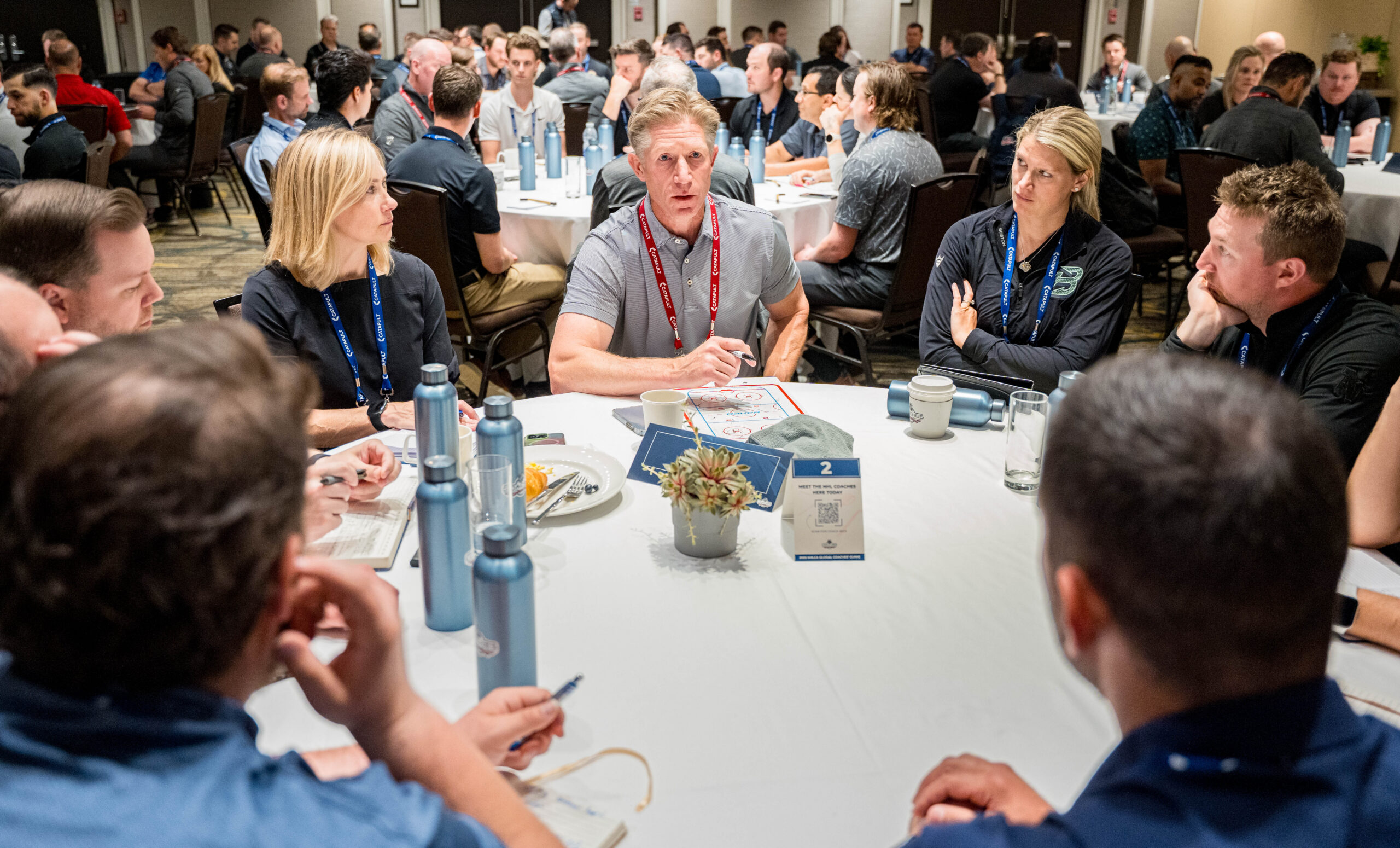
Photo: Dave Hakstol at the 2025 NHLCA Global Coaches’ Clinic
The fact that Hakstol, who secured a spot on Jared Bednar’s coaching staff in Colorado a few weeks after the annual June clinic, was among a group of pro coaches presenting at the summit who were between jobs is a powerful reminder of the transient nature of the job. It’s also a measure of the respect those coaches have for the NHLCA and the process of growing the game. No questions are off limits and younger coaches or coaches still making their way aren’t afraid to ask about job security, interviews, and what happens when things go unplanned at the highest levels.
Don Granato, for instance, is candid about his experiences in Buffalo where he spent six seasons as both an assistant and head coach before being terminated after the 2023-24 season.
Drew Bannister attended the Clinic in Toronto, despite being replaced in St. Louis midway through the 2024-25 season by Jim Montgomery, who had been let go by Boston and replaced on an interim basis by Joe Sacco, who was also in attendance, and is now an assistant coach with the Rangers. Bob Woods was at the Toronto Clinic just days after finding out he was not going to be returning to Seattle where he’d been an assistant coach under Dan Bylsma who was let go after one season with the Kraken.
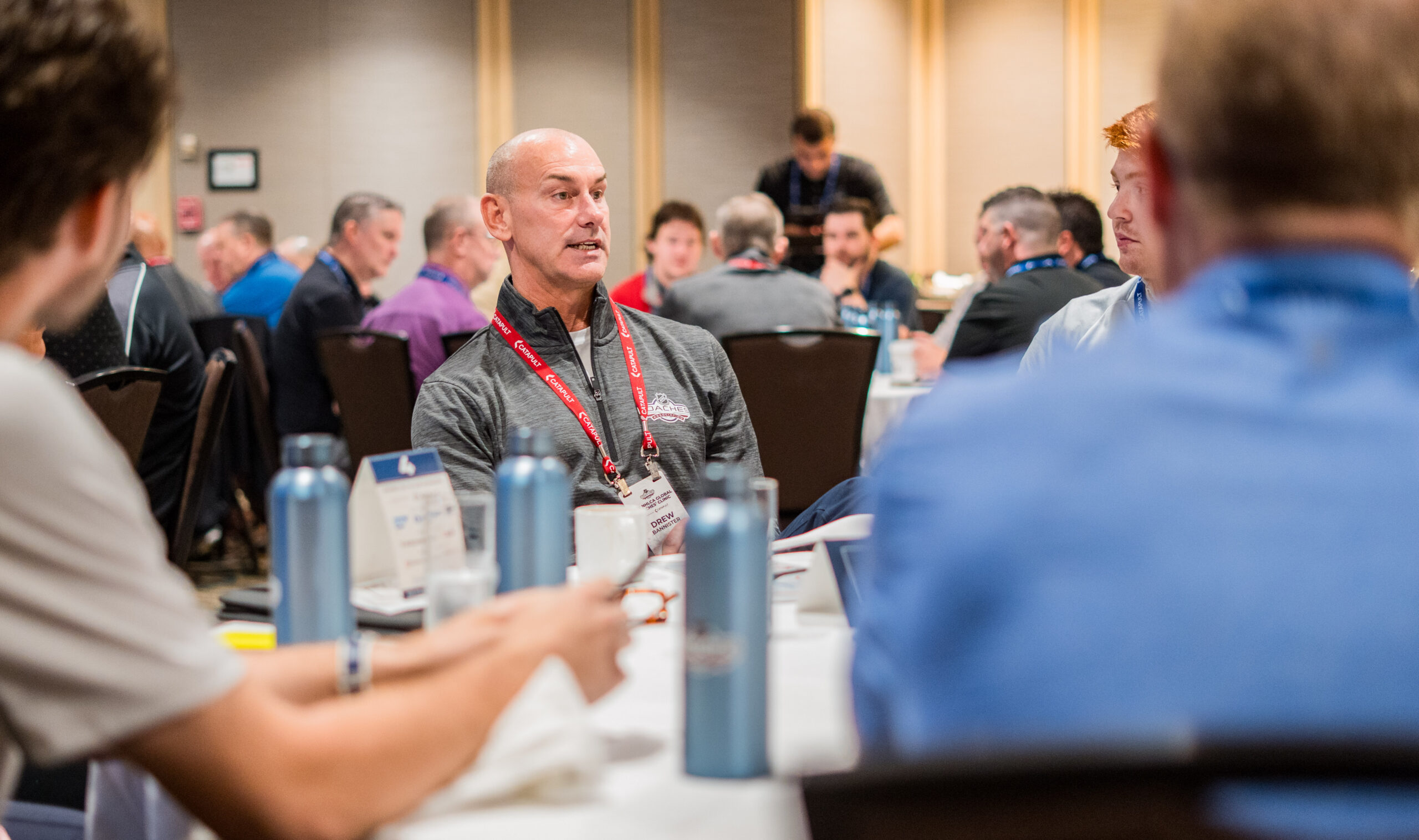
Photo: Drew Bannister at the 2025 NHLCA Global Coaches’ Clinic
And so it goes.
Jay Leach survived an off-season coaching change in Boston and will remain with new Head Coach Marco Sturm who has his first-ever NHL head coaching gig with the Bruins.
Leach’s playing career ended in the American Hockey League in 2013 and the next year he was a coach, working in Germany.
He joined Mike Sullivan’s staff in Wilkes-Barre Scranton of the AHL for the 2015-16 season and was suddenly thrust into the head coaching position when Sullivan was promoted to the big club in Pittsburgh midway through the 2015-16 season.
Would the opportunity in Wilkes-Barre have been open to Leach had he not met Sullivan at an NHLCA gathering like this one?
“I knew Mike Sullivan, but I was able to have lunch with him (at the conference) and ended up working for him that following season,” Leach said.
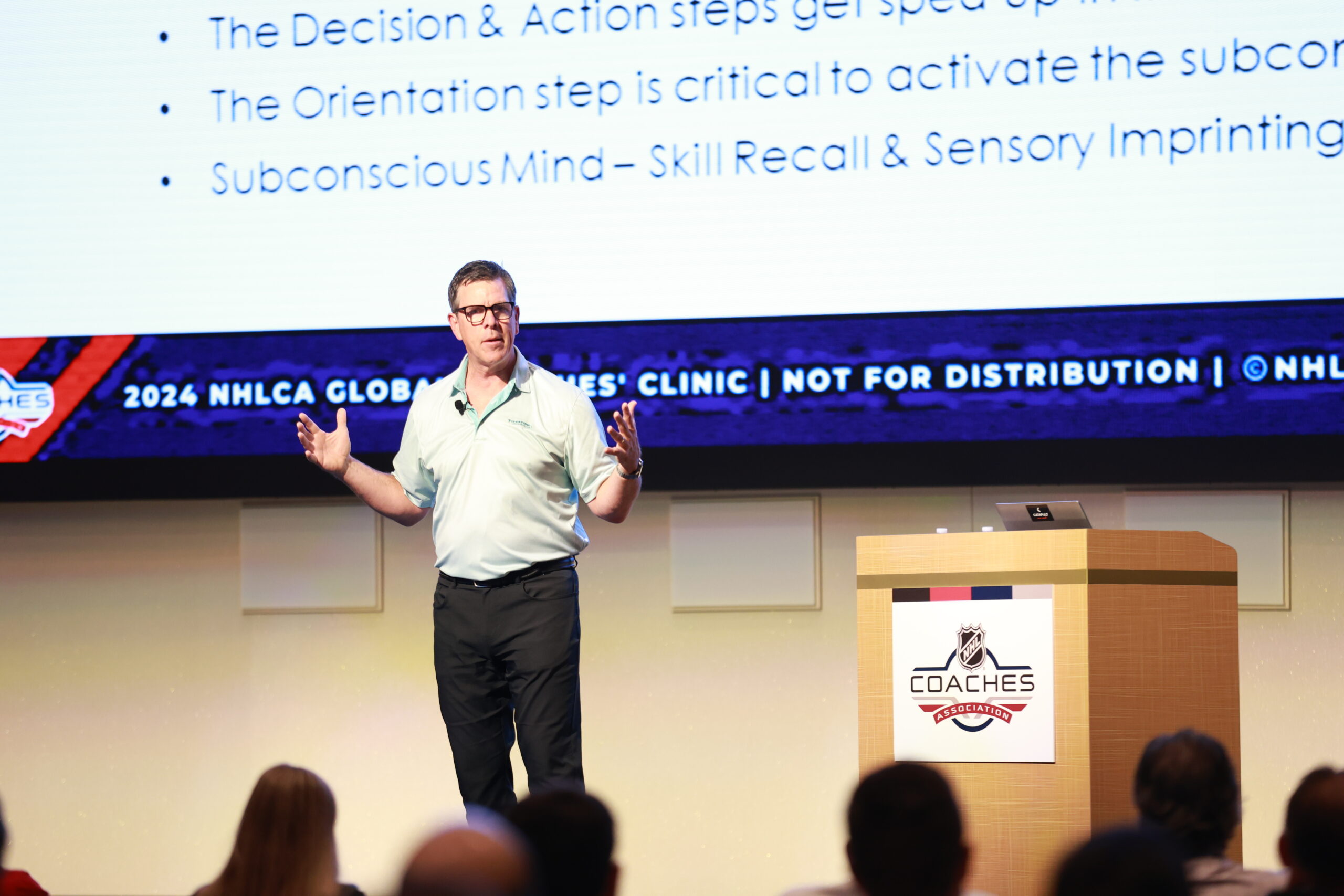
Photo: Mike Sullivan at the 2024 NHLCA Global Coaches’ Clinic
So, yes, the connections are a real thing, and they are a real thing this weekend in Toronto. But, when Leach thinks about the importance of attending the NHLCA’s annual Clinic, he thinks less about the potential job opportunities and more about the bonds forged between the men and women who pursue this path.
When Leach took over for Sullivan in Wilkes-Barre, he candidly admitted he didn’t know much about being a head coach in the AHL.
One night in Syracuse, he ran into former player Rob Zettler whom he’d met at an NHLCA Clinic and who was coaching the Crunch, Tampa’s top farm team.
“You strike up friendships over the years, just seeing the same guys,” Leach explained. “I knew (Zettler) a little bit from this (event) and I’ll never forget, we were playing Syracuse and he was coaching Syracuse and he was such a gentleman. I don’t know him well, but he’s such a good guy. He came over before the game, asked me how I was doing.”
It meant the world to Leach to know that Zettler may have been an opposing coach, but he was also a colleague.
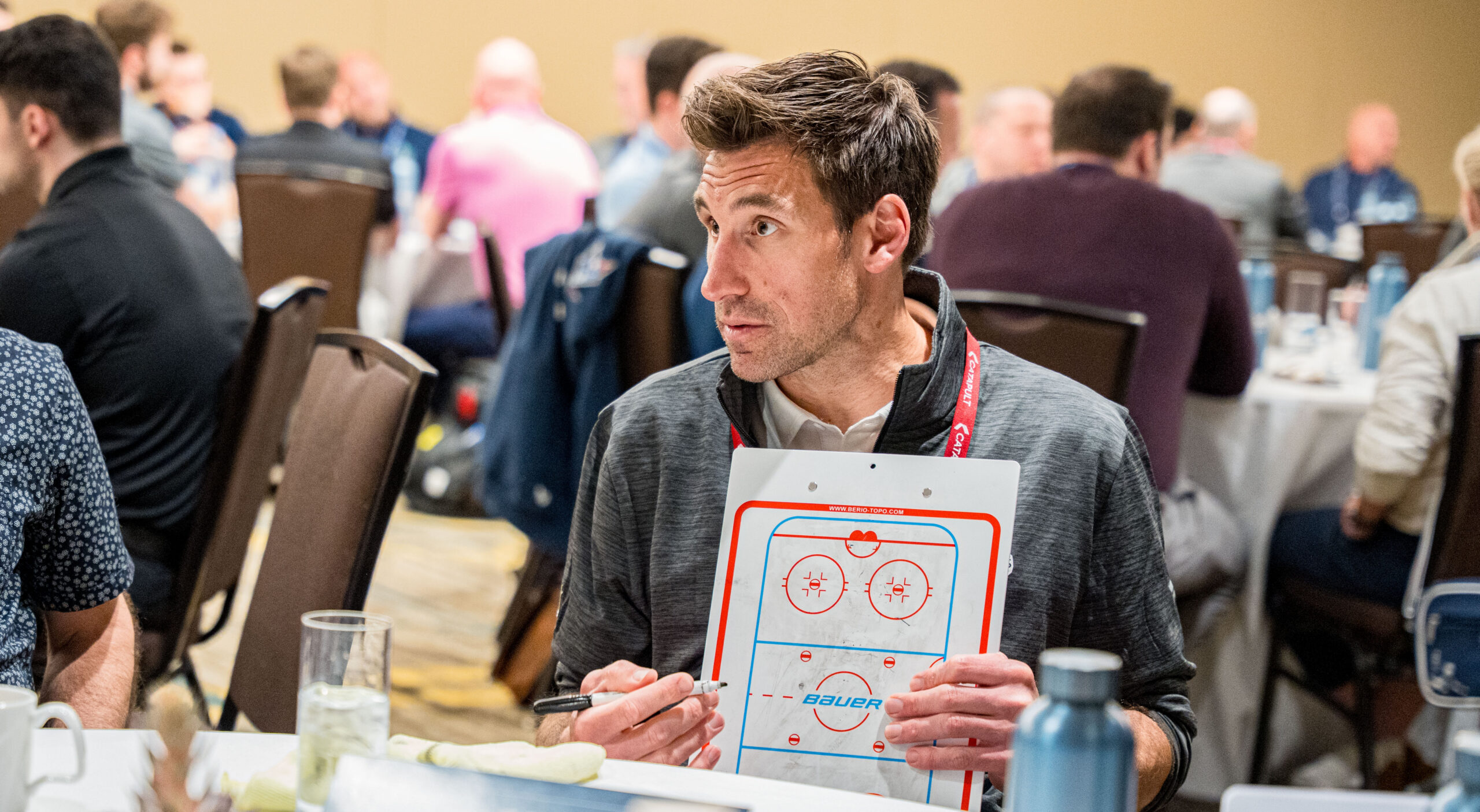
Photo: Jay Leach at the 2025 NHLCA Global Coaches’ Clinic
Leach is cognizant of the notion of paying it forward when he attends these events now as an experienced pro coach.
“It’s our turn to offer the same sort of support to some of these younger (coaches). And hopefully get them going as well,” Leach said.
“When I talk to the younger coaches, it’s so meaningful for them. I think the thing that is great about this, especially the breakout sessions, is we really have nothing to hide. I will say anything. They want to talk about interviews, you know, directly what happened with my interviews, it doesn’t matter to me what I share, I think it’s hopefully beneficial to them, they can learn the process,” Leach added.
Our conversation ends as Leach spots long-time NHL Assistant Coach Steve Spott, who has just found himself at loose ends after a run with the Dallas Stars and heads off to catch up.
Several days later Spott and another presenter at the Toronto gathering, Rich Clune, were named to Boston’s coaching staff.
And so it goes.
Of all the coaches who lent their voice, and their experiences, to the small group discussions in Toronto, none represent the true nature of the event like Claude Julien who started coaching major junior hockey in Quebec in 1996.
While Dan Muse coached game number one for Pittsburgh in October 2025, Julien has coached 1,274 NHL games as a head coach, 16th most in NHL history.
Julien is a Jack Adams Trophy winner as coach of the year and guided Boston to a Stanley Cup win in 2011. He’s won an Olympic gold medal with Team Canada at the 2014 Olympics and a World Cup of Hockey Championship in 2016.
Having been out of the coaching game since early in the 2020-21 season, and after doing some scouting for the St. Louis Blues and advising a team in Switzerland, Julien was anxious to get back behind the bench and took on an assistant role with the St. Louis Blues in the summer of 2024, helping first-time NHL Head Coach Bannister.
“For me to get back into hockey and doing what I love, I was open to coming in, especially at the beginning, and help out a young coach, go through some of the stuff that you go through in your first few years,” Julien explained. “I guess I kind of relished that opportunity to do that. I knew it was going to be different as an assistant coach. And it was, it was an adjustment. But at the end of the day, I’m doing what I love doing, and that’s being surrounded by players and a hockey club and the everyday routine of it.”
The dynamic is much different for the pro coaches at the NHLCA Clinic than during the NHL season when travel is constant and pressure runs high, not leaving much interest to talk shop during the brief moments that they cross paths with their colleagues.
“In the summertime, we’re just enjoying it. We’re having a drink and we’re chatting and we’re laughing. We’re having fun. But at the same time, it just shows the camaraderie that exists between coaches and understanding how tough a business it is, and how tough a job we are doing. And we’re able to either support, exchange ideas and all that stuff. So that’s one of the things that I like about this event here,” Julien explained.
At 65, Julien has accumulated a world of coaching experience that some of the attendees can only dream of having. But Julien still relishes the conversations with young coaches who are eager to learn.
“You just have to take the time to look back at where you were back then. And I started as a Tier 2 junior coach and then moved to major junior. And if I would have come to these things back then and ran into NHL coaches, it would have been awesome,” Julien said. “So, I can understand where they’re coming from. And to be able to share your experiences, most of them have great questions. So, it’s a lot of fun to share what you do and your philosophies and everything else with these people. And I think that’s the fun part.”
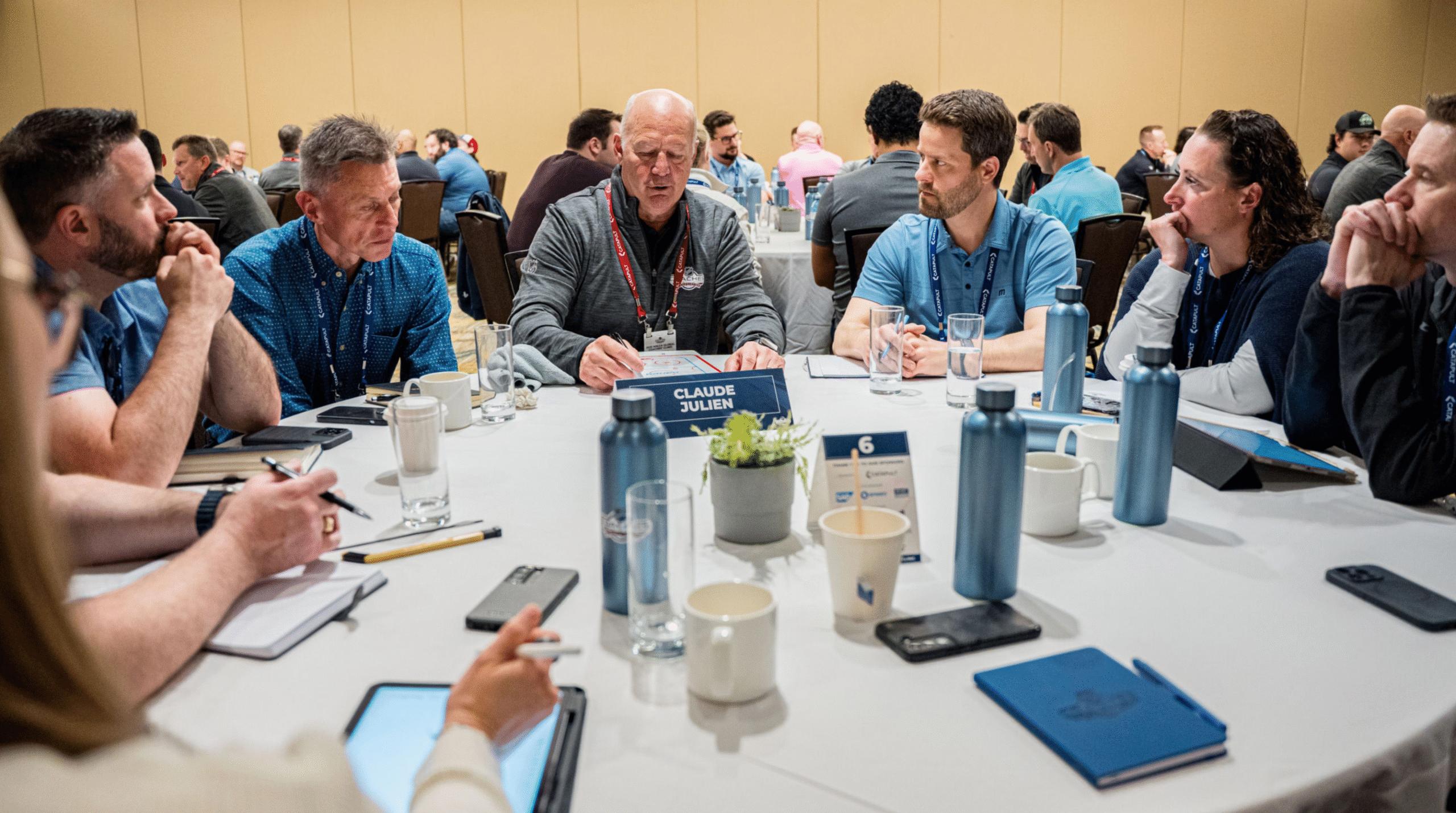
Photo: Claude Julien at the 2025 NHLCA Global Coaches’ Clinic
Michael Peca was one of the best two-way forwards of his generation having twice won the Frank J. Selke Trophy during his 864-game NHL career.
Even before he retired at the end of the 2008-09 season, Columbus head coach Ken Hitchcock and GM Scott Howson were asking if Peca would be interested in joining the Blue Jackets’ bench.
But Peca knew he needed time away from the game, so he declined.
Back in Buffalo, Peca started coaching at the Tier II junior level. He was also the GM of the Junior Sabres and for a time wondered if the front office was where his next hockey journey would take him.
But, at that time, Sabres GM Jason Botterill – now the GM in Seattle – asked Peca if he would assist with the team’s center prospects in nearby Rochester.
“And once I got on the ice with the players and started working with the players, I just knew that this is what I wanted to do. It’s just, it’s so much fun,” Peca said.
He recalled as a player getting on a flight after a game and seeing the coaches hard at work game-planning the next stop.
“You’re like, ‘oh my gosh, take a break man. We just finished the game’,” Peca said with a laugh.
Now his view of the game has shifted to a new axis.
“When you get into the coaching life and you’re invested in it, it’s like anything else. If you love doing it, if you enjoy doing it, it doesn’t seem like work,” Peca said.
As a player getting traded or signing with a new team there is a built-in support system of the team. For coaches in a new situation, you must build that trust from the ground up. Peca spent the last two seasons in New York with the Rangers on Peter Laviolette’s staff and recently began his new role with the Chicago Blackhawks where one of his jobs is to help superstar Connor Bedard take the next step in his evolution.
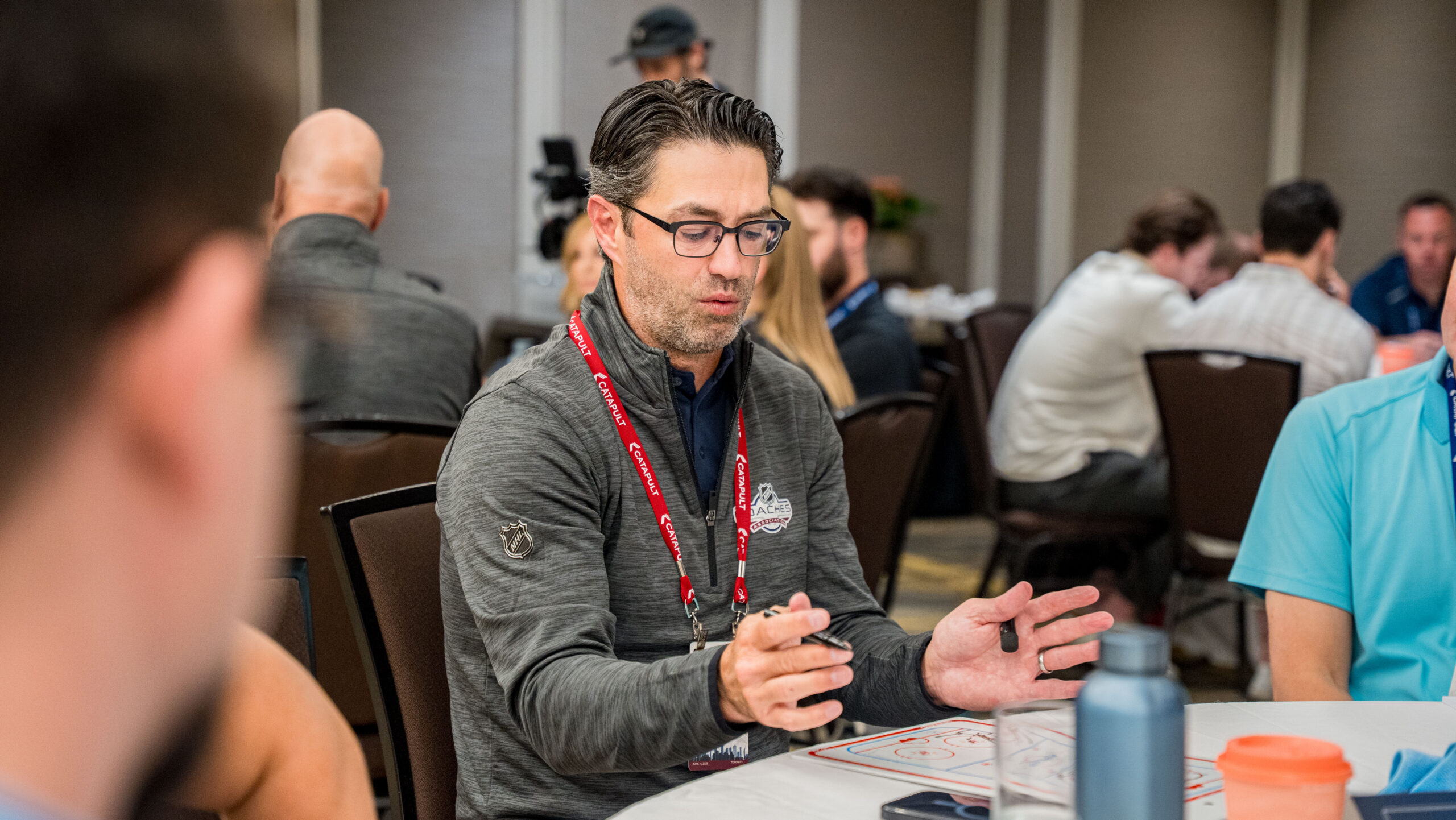
Photo: Michael Peca at the 2025 NHLCA Global Coaches’ Clinic
“As a coach, it’s really a finite kind of thing,” Peca said. “Coaching is all about building trust and building relationships with players. And, I think Pete DeBoer said it at last year’s NHLCA Clinic. Teams have to give coaches some runway to build what they want to build.”
Peca joked that he is only going to coach with Original Six franchises, but the reality of the coaching life is that you don’t know when your career path might take an unexpected turn. In Chicago, where Peca works under Head Coach Jeff Blashill, the sense is that management is going to give this new coaching staff lots of runway.
“There’s room for us to build this the right way,” Peca said. “We’re not going to be forced to go in there and have to win right away. But you get the opportunity now to build it the right way so that winning is sustainable and not just maybe a season where you got the best out of them energy-wise, and then it kind of fritters away. It’s something you’re building the right way.”
Of course, the chance to work alongside a generational talent like Bedard is certainly appealing.
“I think it’s an incredible privilege for any coach to be able to coach a player of that magnitude. Again, because they’re great for a reason, right? They absorb information. They want to get better every day. They want to be the best at what they do. In my experience, having played with guys like that and having coached some young players like that, sometimes relationships can get a little heated at times, but in a good way,” Peca said.
As a father of two 20-something kids, Peca thinks there are parallels between parenting and coaching.
“If your kids feel the genuine love and that’s true, there’s a foundation in that relationship, all of a sudden your interactions can be hard, they can be stern. You can be honest. Like, nothing is off the table when that foundation of the relationship is set,” Peca said. “That’s the most important thing. And the players love it. I mean, they’re all competitive. You know, Connor Bedard doesn’t want agreeable people around him. They want disagreeable people. They’re going to challenge him to make him better. And that’s, that’s the kind of person I am.”
Peca glances at his watch. He’s got a few minutes before the roundtable discussions at the Clinic begin.
“I’ve got to go and get smarter,” Peca said with a smile. “I’m going to talk to Claude Julien.”
——
Scott Burnside is an award-winning journalist who received the Elmer Ferguson Award from the Hockey Hall of Fame in 2024. He’s covered the NHL and international hockey for over 35 years.
Recent Comments