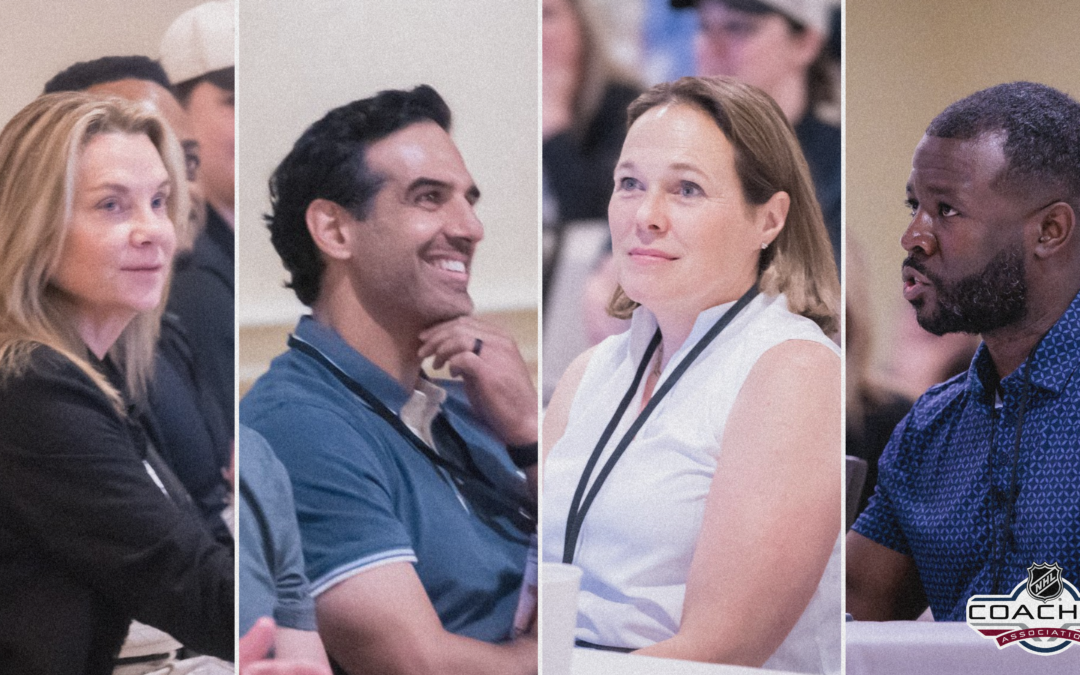
By: The NHLCA Team
What does a former FBI-trained hostage negotiator have to teach hockey coaches?
More than one might think.
It was the question Scott Tillema, a former FBI-trained hostage negotiator and expert in high-stakes communication, used to break the ice with a room full of coaches attending the NHLCA Professional Development Workshop at the 2026 NHLCA Global Coaches’ Clinic, presented by Catapult.
Tillema’s session, “Leading with Influence: Powerful Communication & Navigating Difficult Conversations,” was presented by Morgan Stanley and supported by Apollo Global Management and Ares Management, all with the goal of powering the success of coaches on and off the ice. Back by popular demand, the NHLCA brought together Female Coaches and BIPOC Coaches Program Members, alongside NHL and AHL Coaches, for an afternoon focused on communication, influence, and leadership.
“If we can’t influence the people around us, we have nothing,” Tillema shared. “It’s the most important skill of leadership.”
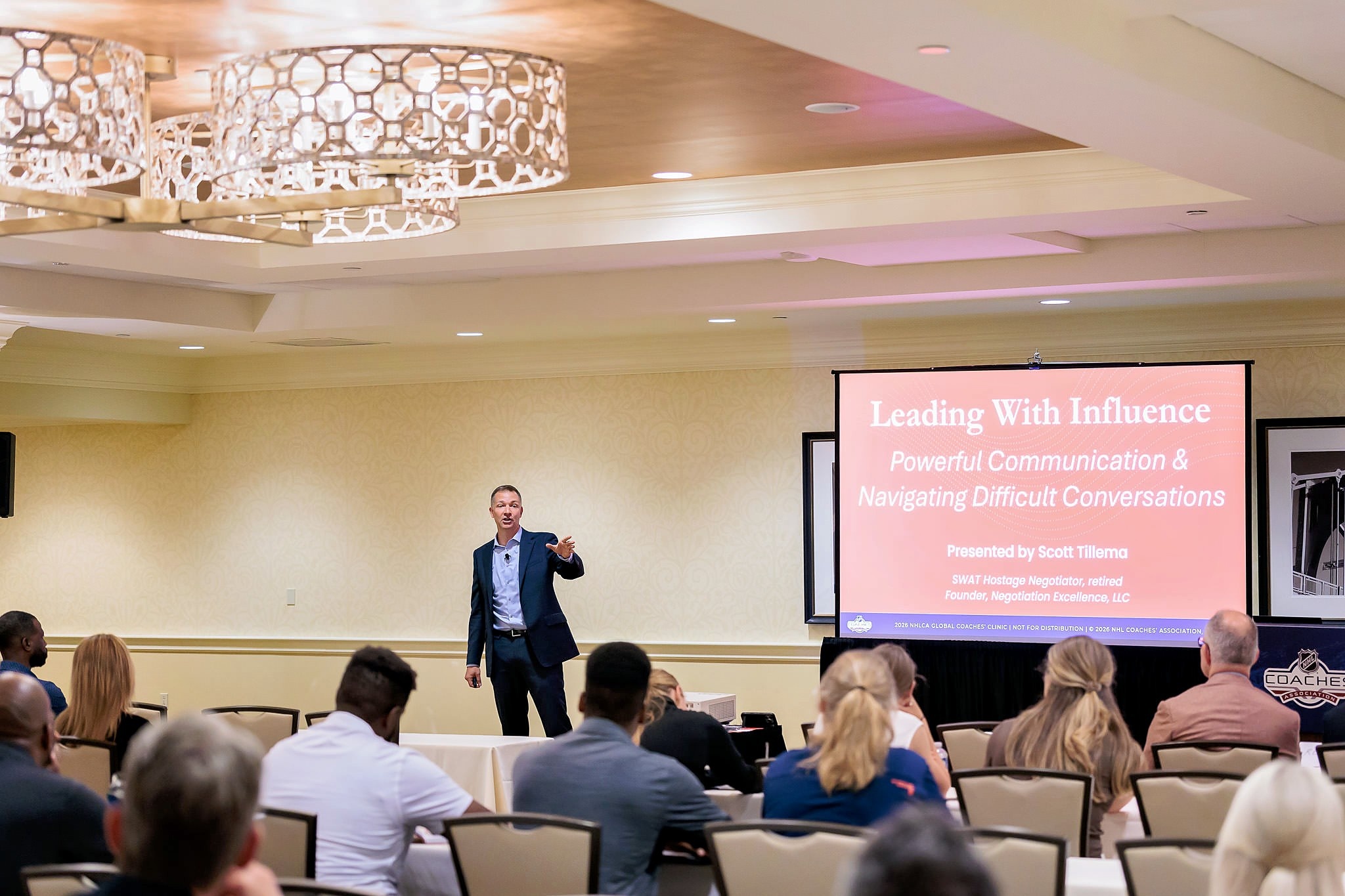
Photo: Scott Tillema, Founder Negotiation Excellence, LLC.
While the worlds of hostage negotiation and hockey coaching may appear vastly different, the challenges can be surprisingly similar. Both demand the ability to build trust quickly, read a room accurately, and deliver a message that moves people rather than shuts them down.
“If you are going to be a successful coach, you have to have a vision you can convey to your team to make it happen,” Tillema remarked. “And it’s not just the players. It’s your coaching staff, the people in the front office. Although it seems like two totally different worlds, at its core, we both need influence if we’re going to be successful in our work.”
For Kathy Griswold, Head Coach of the Boys Varsity Hockey team at Kimball Union Academy and a Female Coaches Program member, Tillema’s session put language to instincts that can be fine-tuned with better intention.
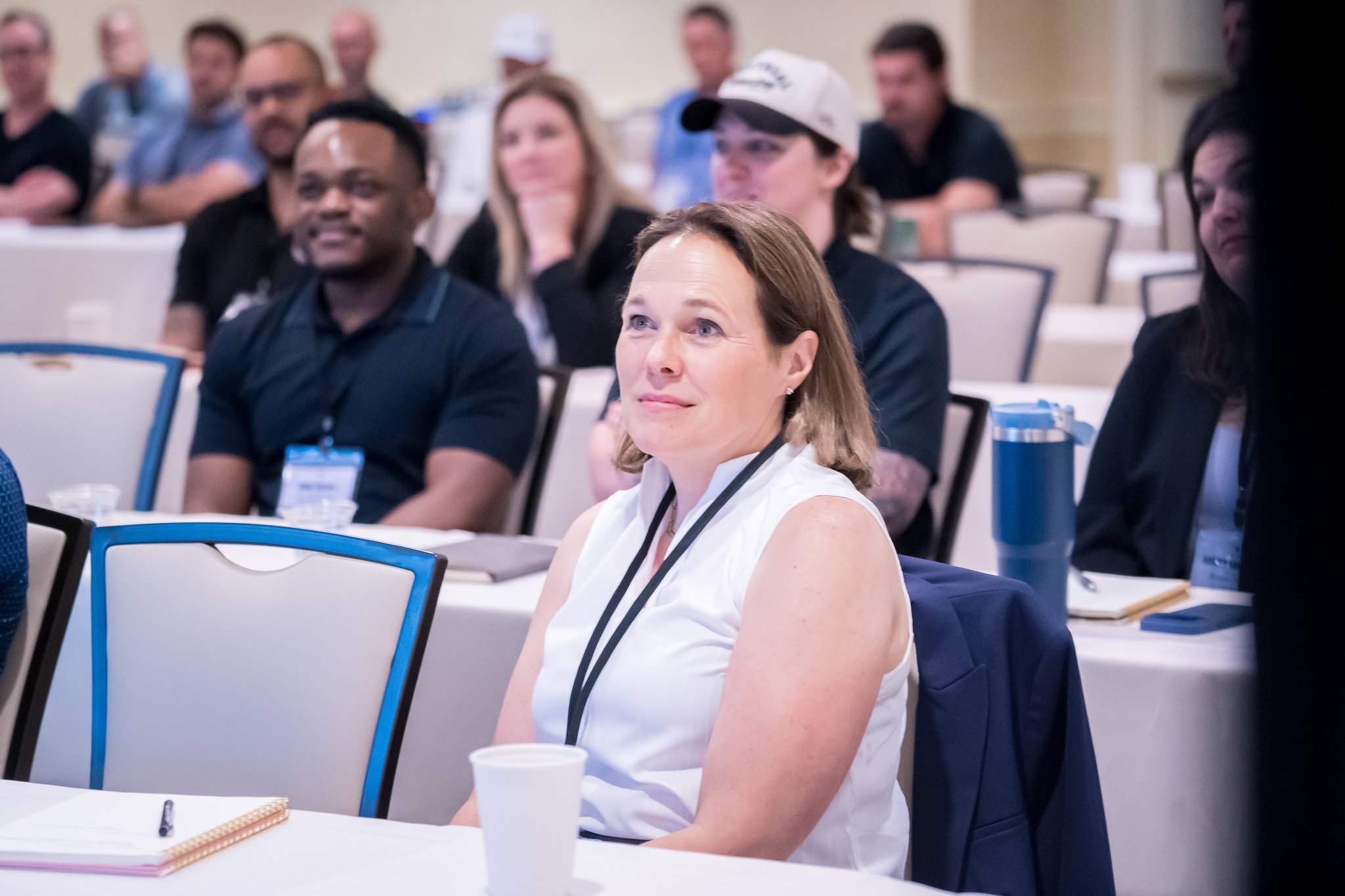
Photo: Kathy Griswold, Head Coach, Kimball Union Academy
“When he was going over the psychology of persuasion, naming those elements makes you aware,” she said. “Not just instinctually doing it, but being aware of those steps, so you can better craft a response that actually helps your player move forward. And that’s what it’s all about.”
Knowing you need to have a difficult conversation is one thing. Knowing how to land it is another, especially when the player on the other end is not going to take it well. For Harry Mahesh, Assistant Coach of the Abbotsford Canucks and a BIPOC Coaches Program member, those moments come with the territory.
“I would say the most common one is when you’re telling a guy they’re scratched or sent down,” Mahesh reflected. “No matter how positive you try to spin it or how encouraging you can be, as soon as they hear the bad news, a lot of times they’ve checked out.”
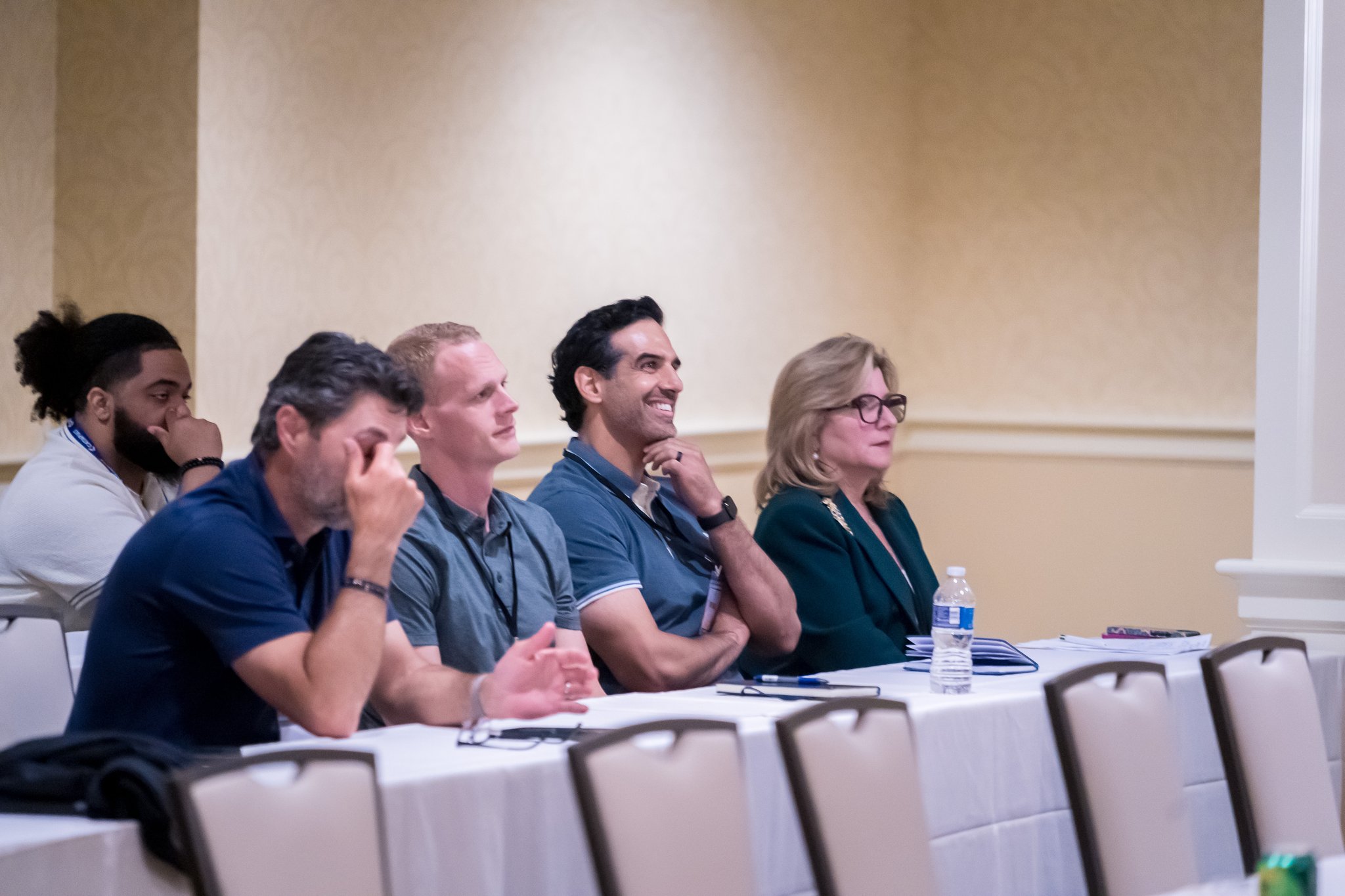
Photo: Harry Mahesh, Assistant Coach, Abbotsford Canucks
It is a reality every coach in the room understands. Even the most thoughtful delivery cannot always override what a player hears when the news is hard. What Tillema’s framework offered was a way of thinking about the conversation before it happens because how it starts often shapes how much of it the player actually receives.
“Your power is information and options,” Tillema said. “You can’t solve a problem if you don’t know what it is. You think you can, but you’re only projecting it through your own lens. You have to be able to see it from somebody else’s side. You want to be powerful and be a great listener. People open up, they share what’s really going on, and all of a sudden, you have way more information than anyone else. That’s a superpower.”
That point hit close to home for Barb Aidelbaum, a Skating Development Coach based in British Columbia and member of the NHLCA Female Coaches Program. As someone who spends her days coaching movement and presence as much as technique, Aidelbaum found that Tillema’s methods made her think more about her physical presence on the ice.
“I thought I had reasonably good body language,” she said. “But the way he broke it down across five different scenarios, whether it was the eyes, the hands, the way you turn your body, that was a real eye-opener.”
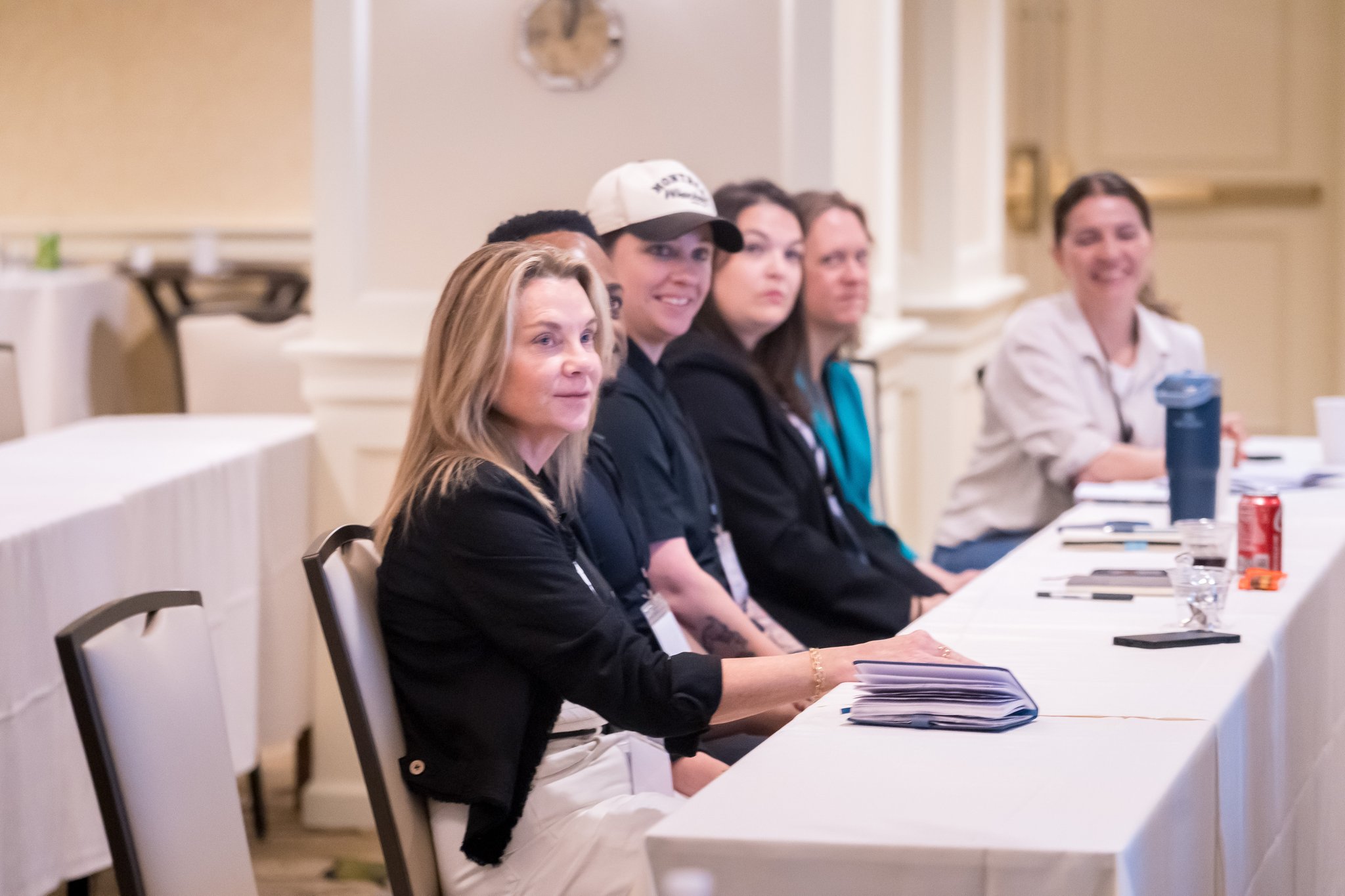
Photo: Barb Aidelbaum, Barb Aidelbaum Skating
Duante’ Abercrombie, Head Coach of Tennessee State University Men’s Hockey and BIPOC Coaches Program member, saw the parallels between negotiation and coaching run deeper than techniques.
“Guiding feelings and guiding emotions is something that we deal with on a daily basis,” added Abercrombie. “Whether it’s from individuals that could potentially donate or support our programs financially, our players, or our staff. Getting to witness an expert in negotiations and guiding emotions and feelings was really, really cool.”
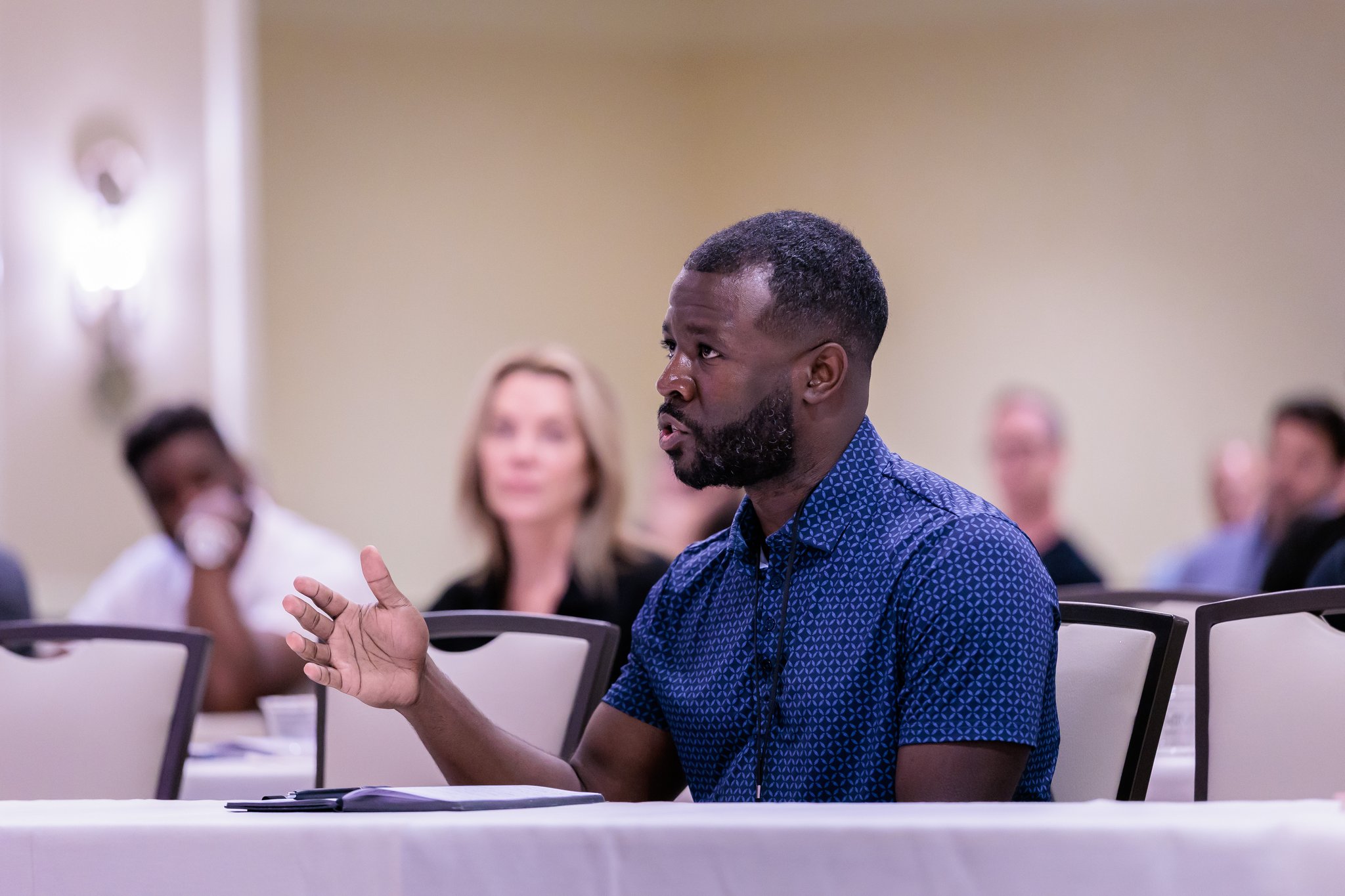
Photo: Duante’ Abercrombie, Head Coach, Tennessee State University
“That’s why I love these professional workshops,” Griswold added. “We get to put each other in high-stress situations, and we model our reactions. This is all so useful because under those high-stress situations, you have to be mindful of how you respond to get the appropriate response out of your player. And if you want to be a better coach, you have to work on yourself.”
What coaches left with was not a script for difficult conversations, but a more deliberate awareness of how they are already having them. As Mahesh put it, “players rarely offer that kind of feedback on their own.”
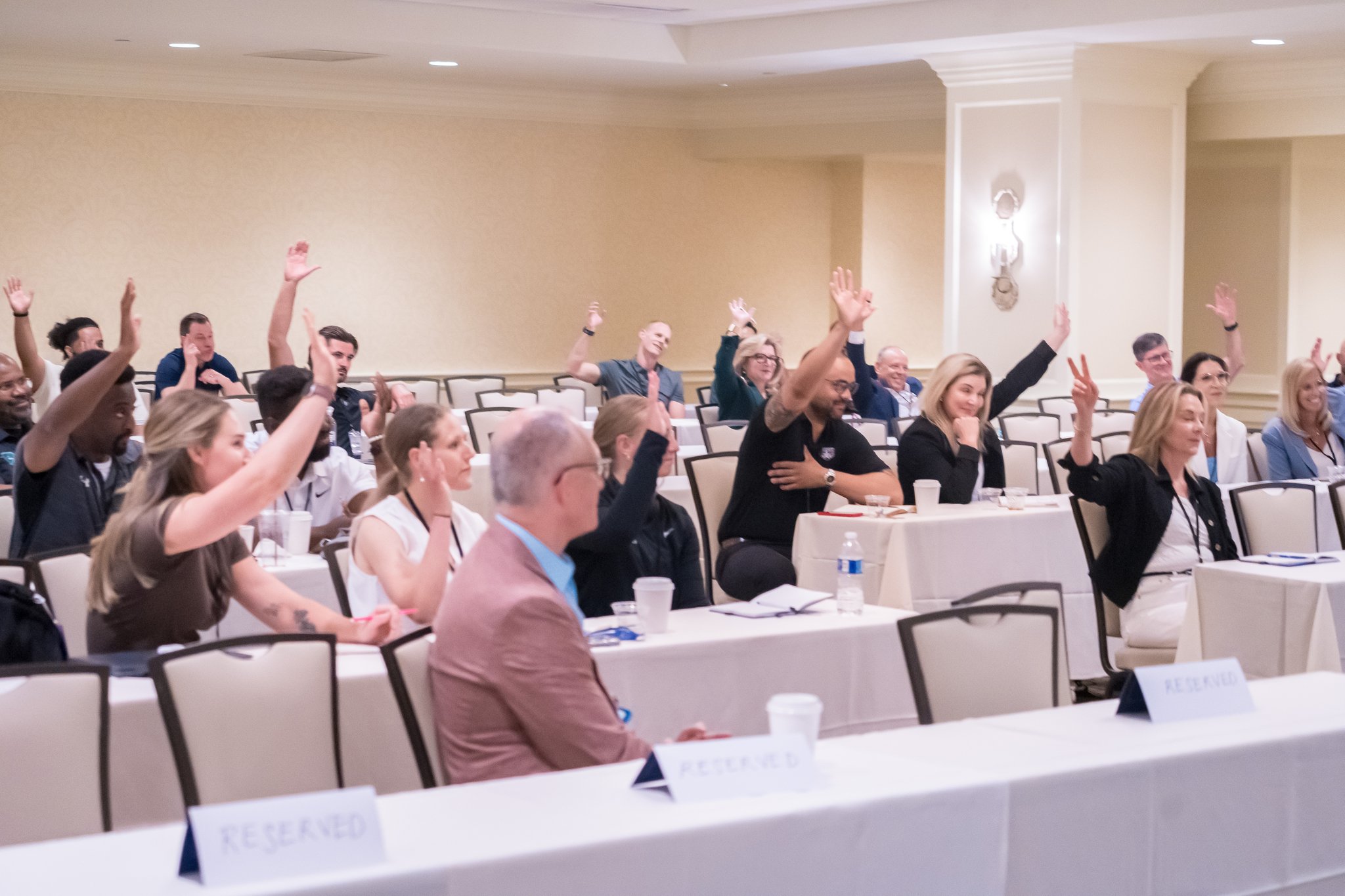
Photo: NHL Coaches’ Association
“Our players are never going to be honest with us and say, ‘hey coach, I think you could have delivered that a little better,'” he said. “So today gives us the time to reflect and fine-tune our own delivery.”
The throughline of the afternoon was not just a technique or a tactic. It was a shift in mindset: away from what a coach wants to say, and toward how the person on the other side needs to hear it. For coaches working at every level of the game, that is a skill worth practicing when stakes are highest and effective communication matters most.
Recent Comments